Humanistic Craftsmanship - Echoes of Poetry and History in Architectural Sequence
The architecture of the thatched cottage is not arranged randomly, but rather a meaningful narrative axis of "poetry and history".
The former residence of the thatched cottage - the origin of poetry
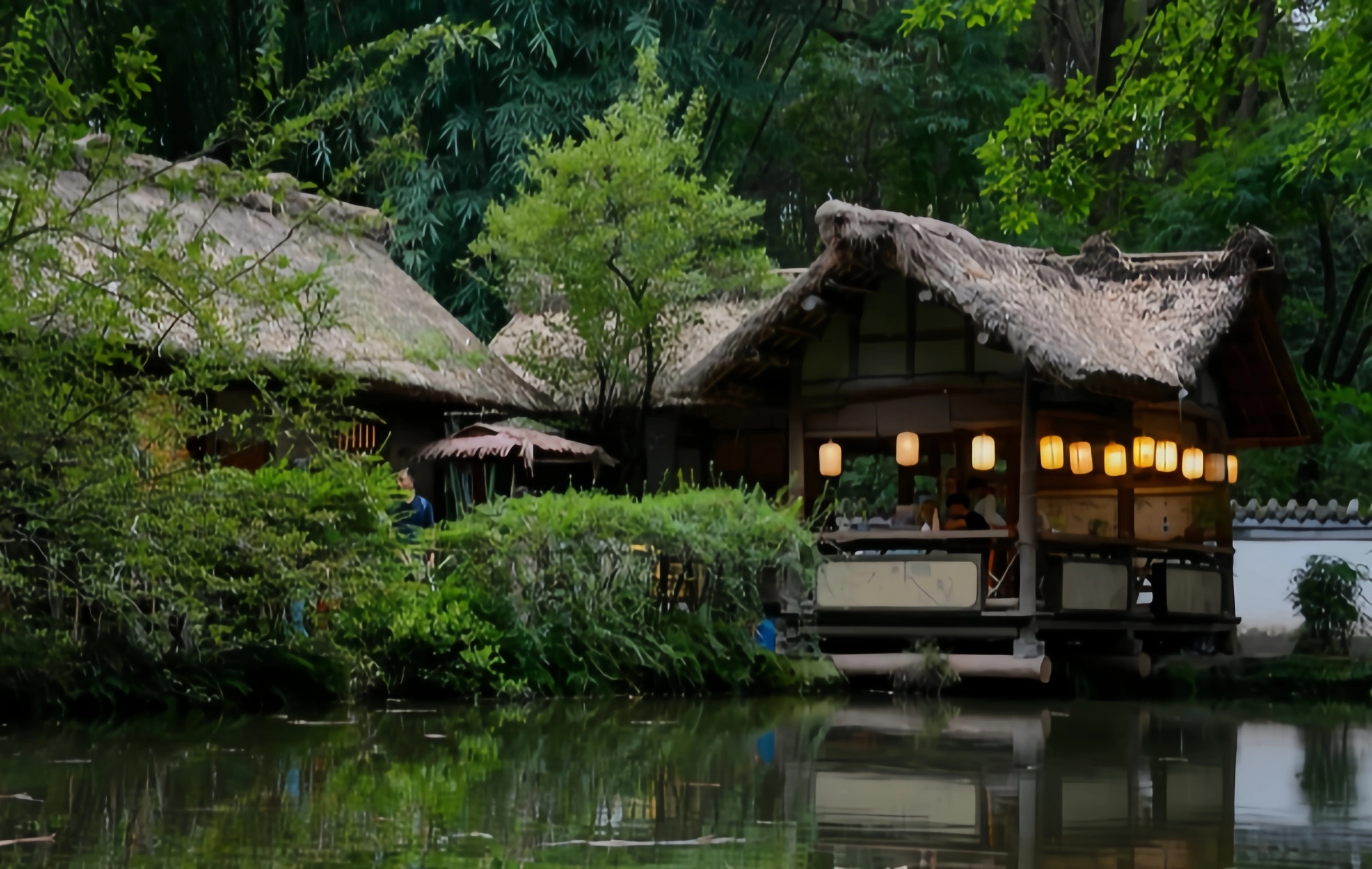
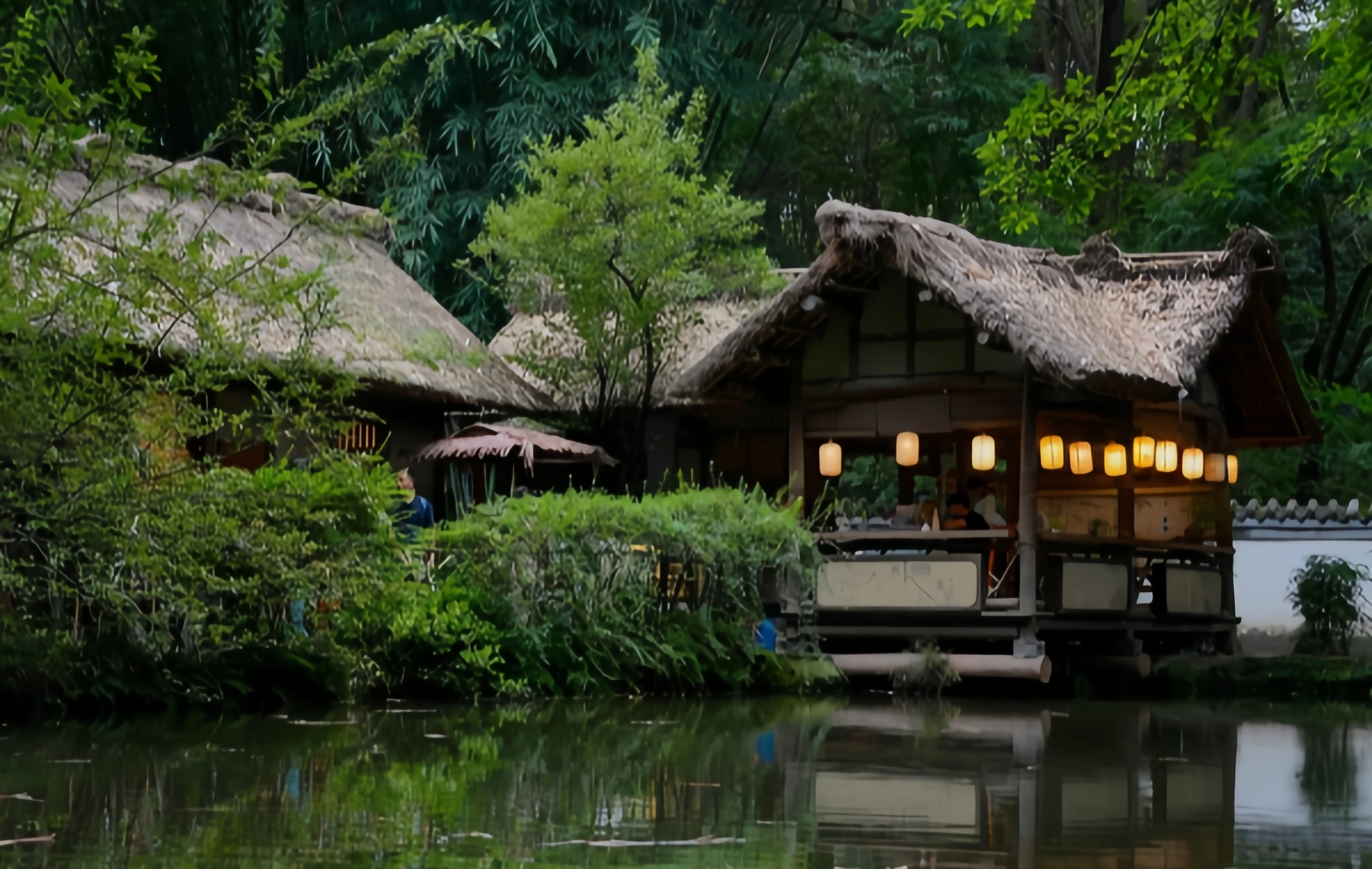
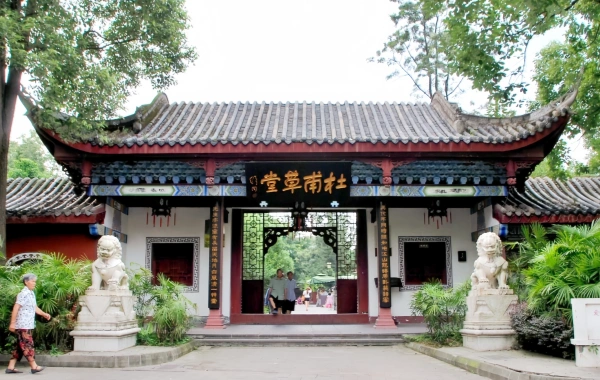
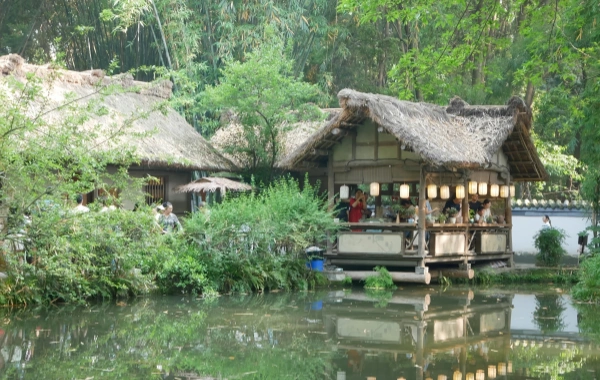
The thatched cottage scenic area located deep in the garden is a symbolic building restored based on the description of Du Shi and the characteristics of Western Sichuan dwellings. Bamboo fences, firewood doors, thatched roofs of living rooms, vegetable gardens, and medicinal fields together outline the pastoral life scene of "spring water in the south and north of the house" and "returning to the riverbank by the old fence". This is the soul of the entire thatched cottage, allowing visitors to intuitively touch the poet's life scenes and emotions back then.
Poetry and History Hall - The Core Hall
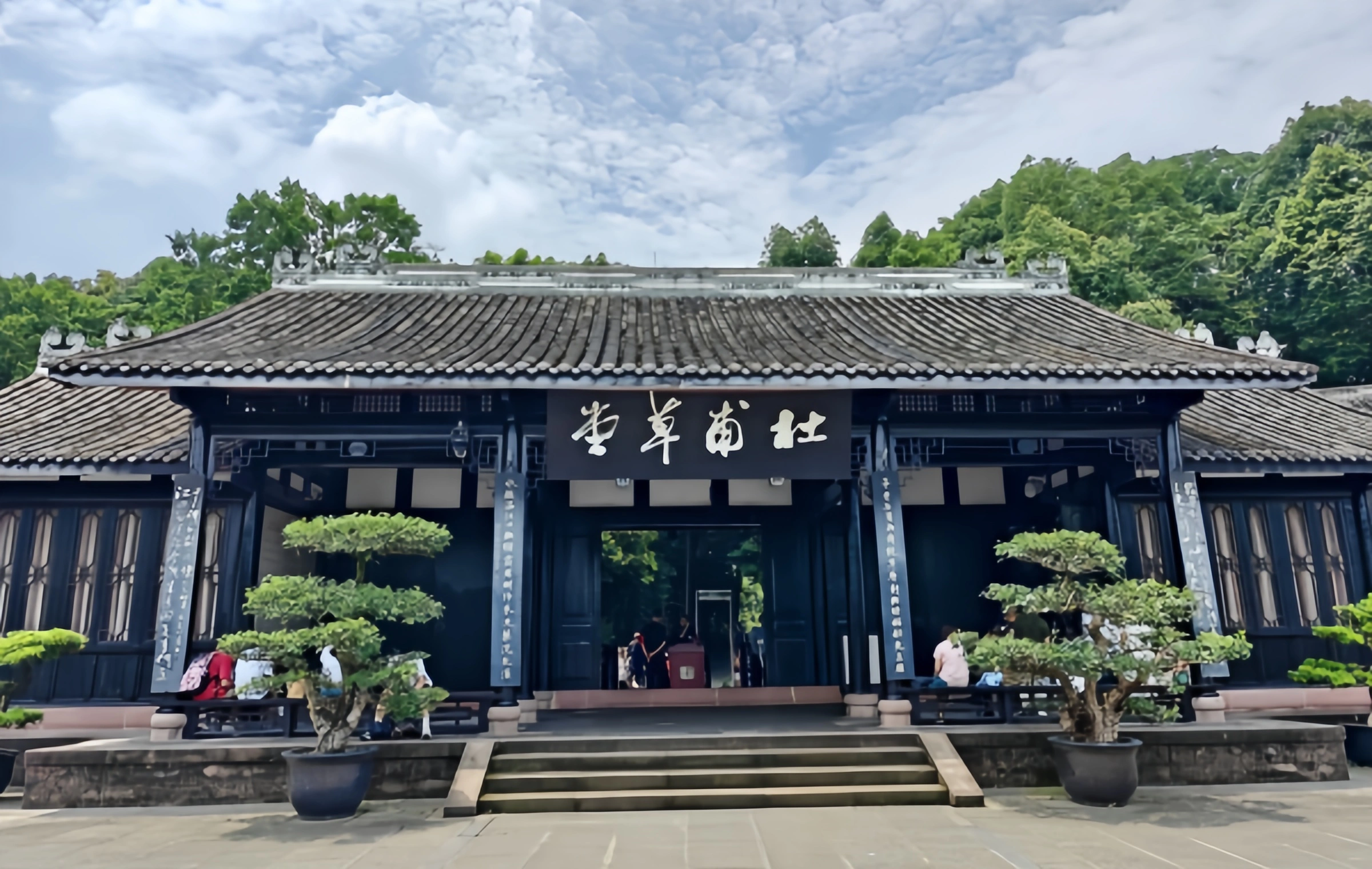
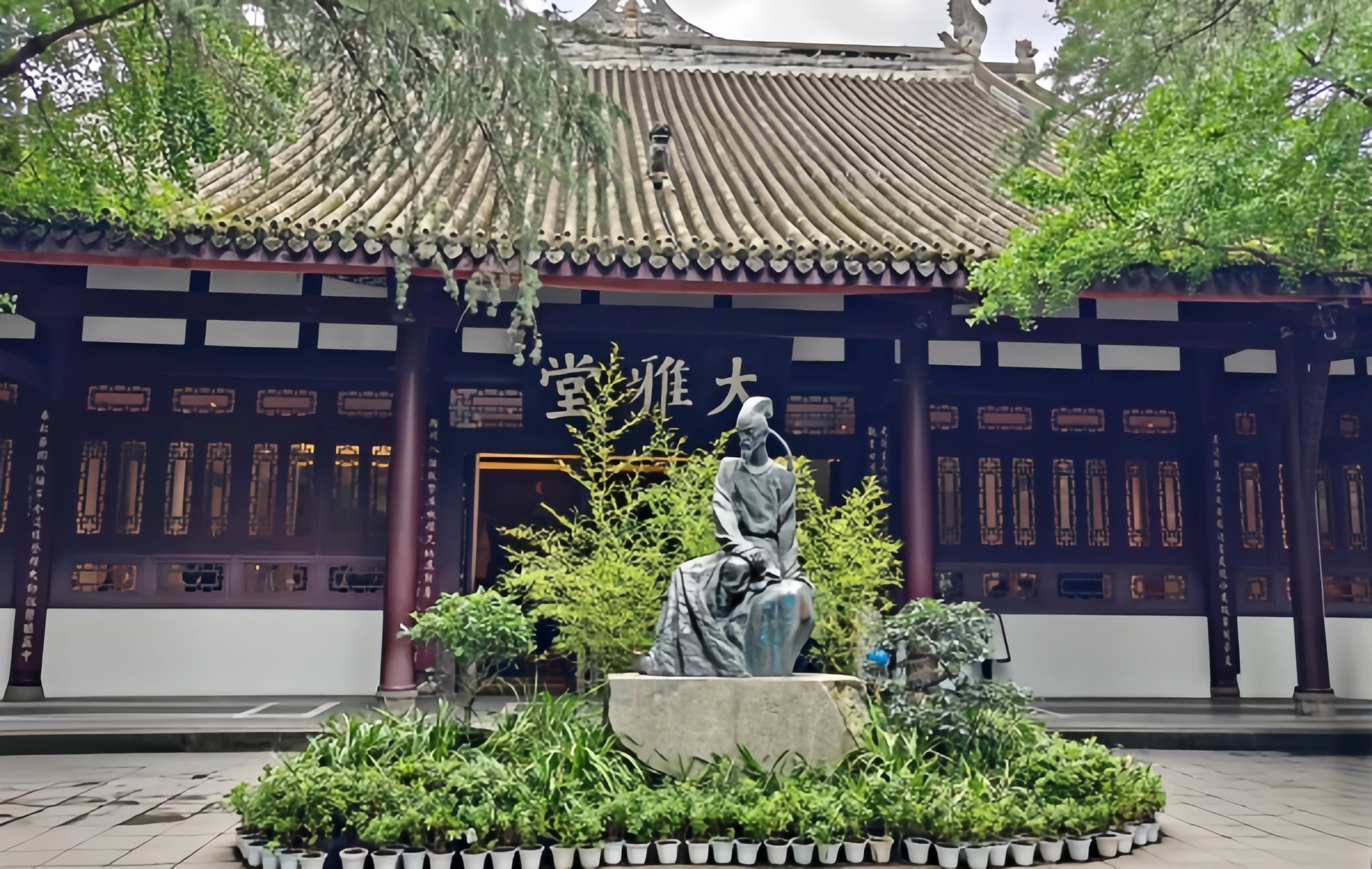
The Poetry and History Hall, located on the central axis, has a grand and majestic architecture. The name implies that Du Fu's poetry is like a "history of poetry", and history is also like poetry, singing and moving. The hall is adorned with couplets and plaques inscribed by famous poets from various dynasties, with a statue of Du Fu placed in the center. The solemn atmosphere evokes respect and serves as the core space for commemorating the poet and reflecting on his patriotism.
Gongbu Temple and "Shaoling Thatched Cottage" Stele Pavilion
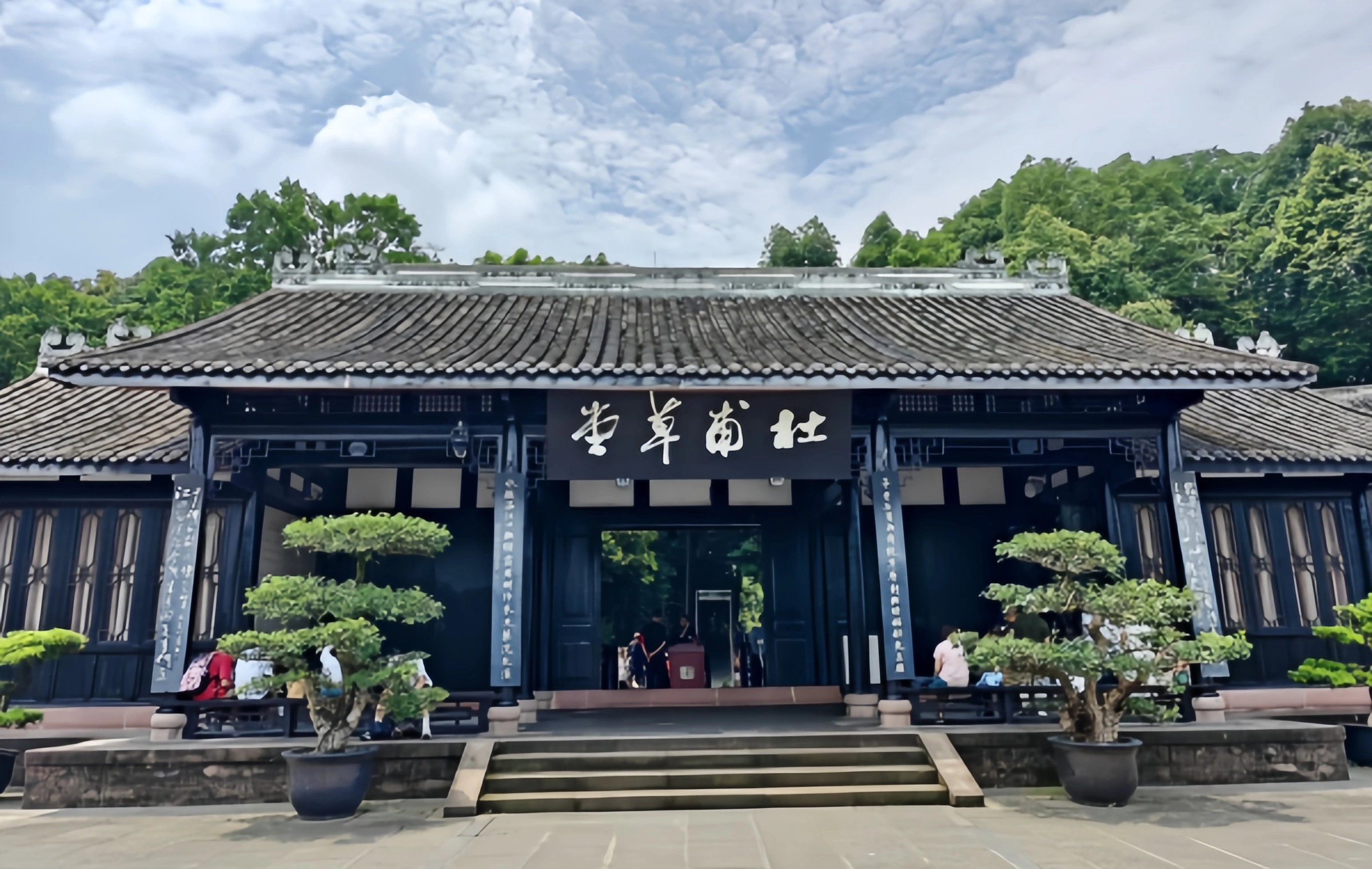
The Gongbu Temple is a specialized temple dedicated to the worship of Du Fu, named after his former position as an "inspector of the Gongbu Department". The temple houses a statue of Du Fu and is flanked by Song Dynasty poets Huang Tingjian and Lu You, symbolizing the inheritance of the cultural heritage of the thatched cottage. The "Shaoling Thatched Cottage" Stele Pavilion is a highly iconic thatched roof stele pavilion, with four characters inscribed on the stone tablet by Prince Guo of the Qing Dynasty. It has become a cultural symbol of the Thatched Cottage and even Chengdu.
Thatched Cottage for Future Generations, Poet Saints for Thousands of Years - Inscriptions and Poetic Gardens of Various Dynasties
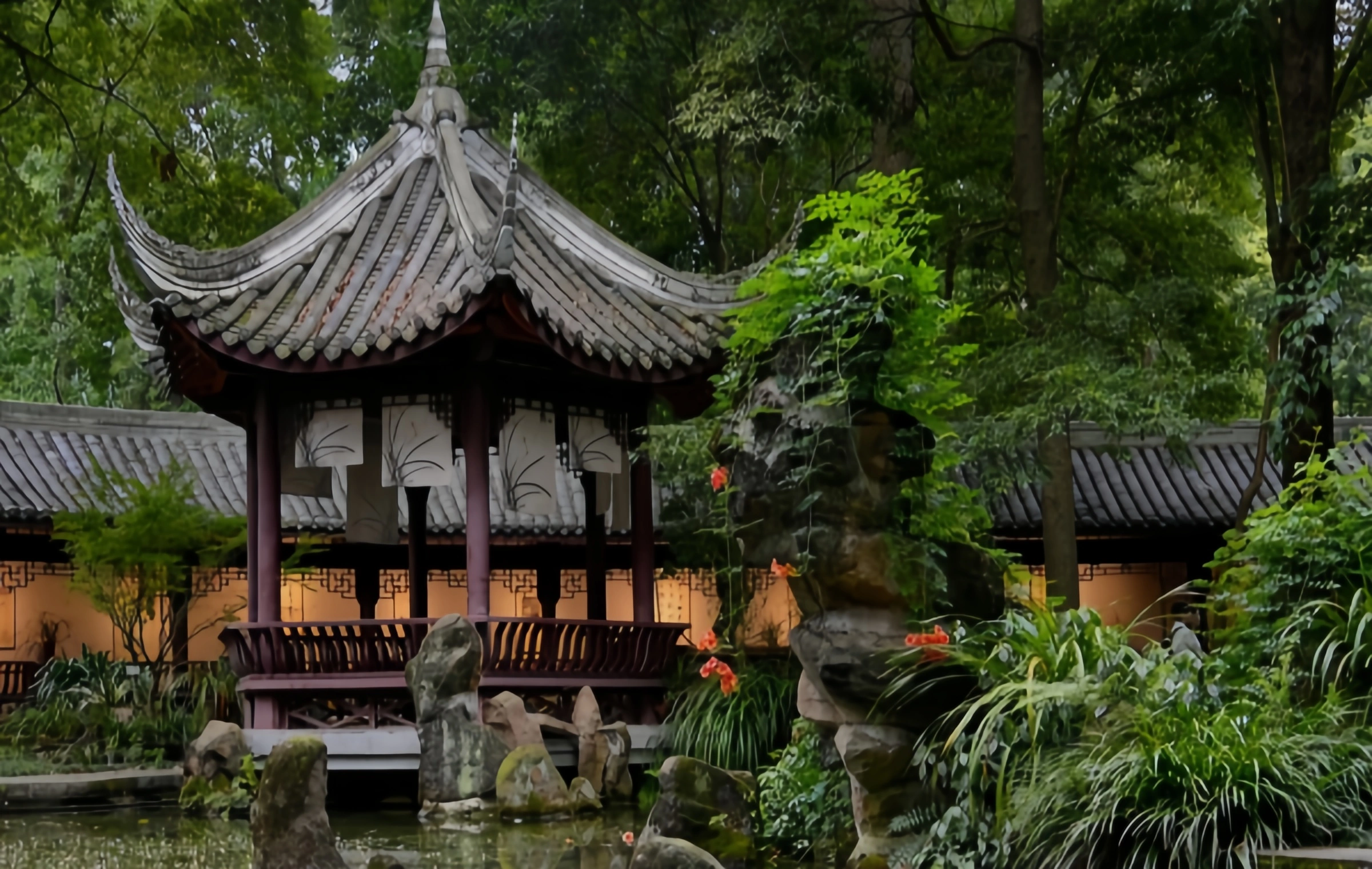
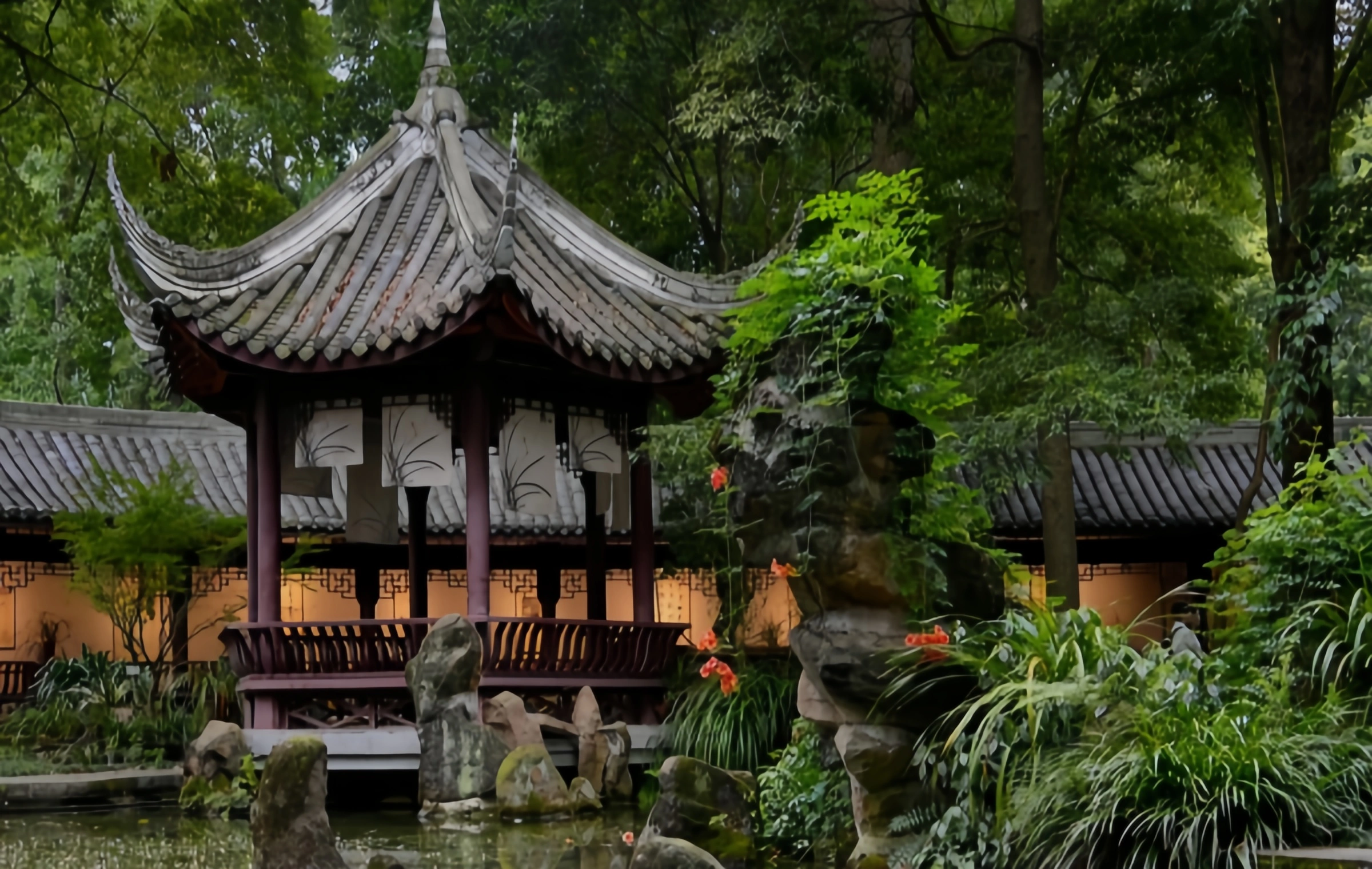
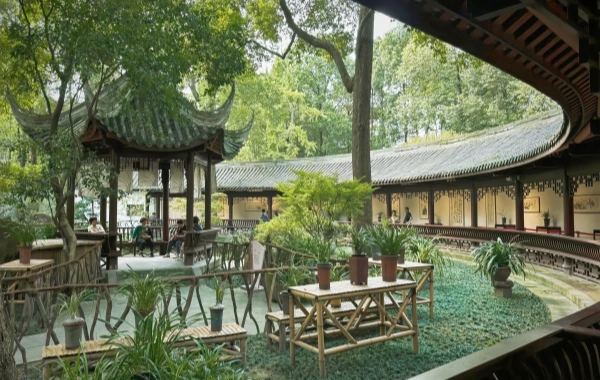
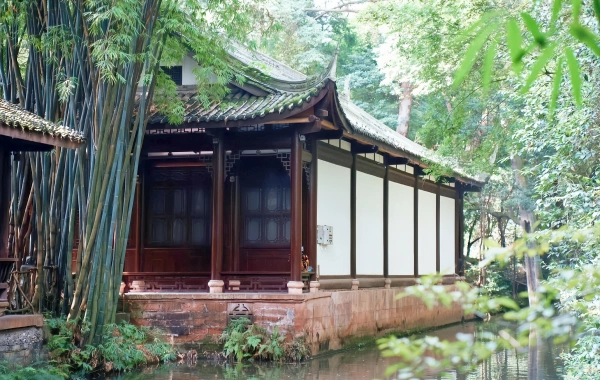
The scattered inscriptions, couplets, and poems from various dynasties constitute another history of "Du Shi Xue" in stone carving. From the Song Dynasty to modern times, the collection of famous calligraphy treasures greatly enhanced the cultural connotation of the thatched cottage. The garden design cleverly borrows the flowing water of the Huanhua River, forming a scenery of water pavilions, ponds, and streams lingering around. The path is winding, and ancient trees are towering (especially nanmu and ginkgo). The architecture is hidden in lush greenery, perfectly reflecting the artistic conception of "tranquility". As one moves around the scenery, there is a poetic and picturesque atmosphere.
Natural Charm - Garden Poetry and Painting in Four Seasons Circulation
The beauty of a thatched cottage lies half in its architecture and half in its gardens. This classical garden in western Sichuan is itself a three-dimensional natural poem.
Huanhua Creek Water and Wangan Bamboo Shadow
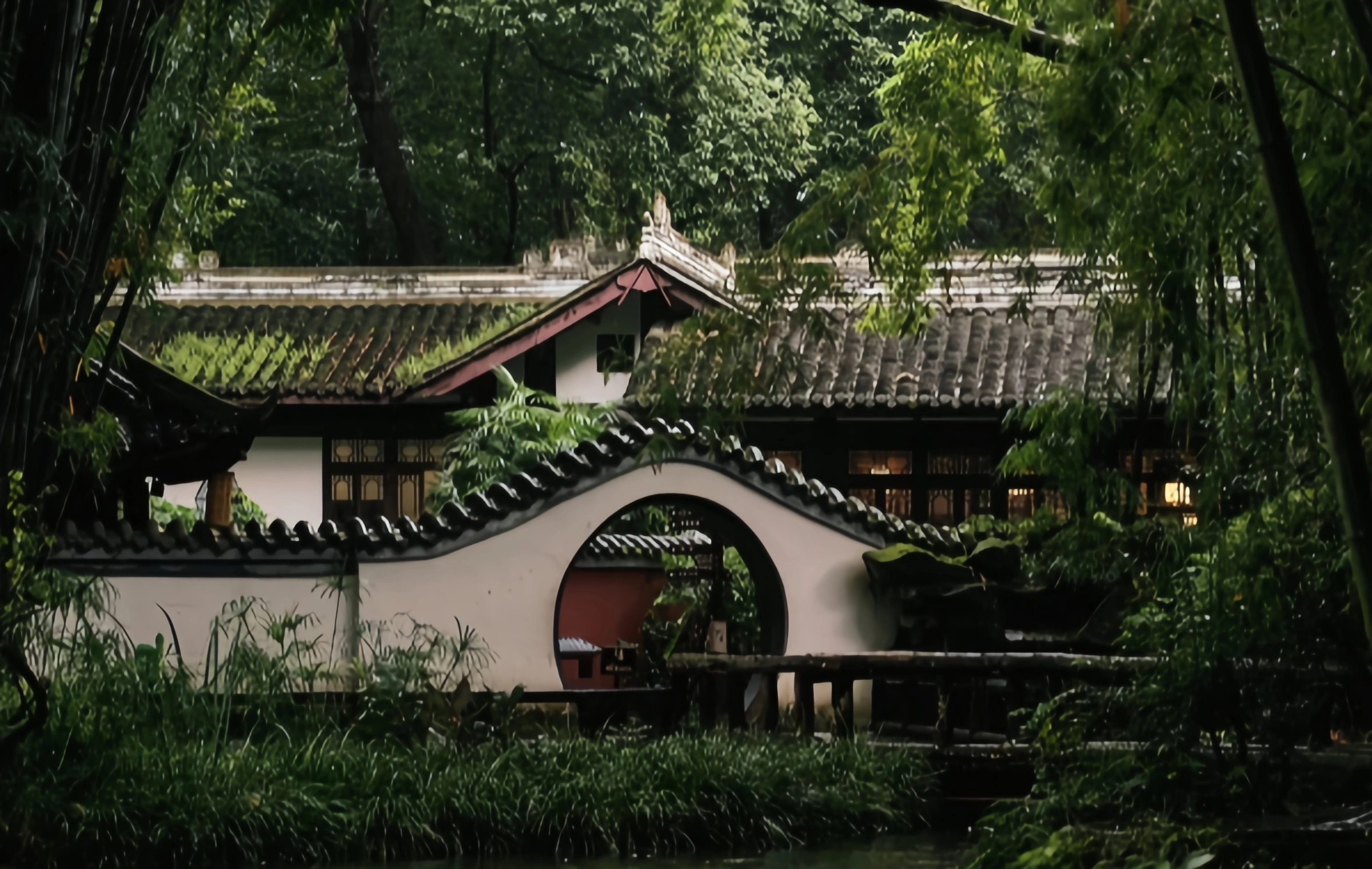
The Huanhua River is the lifeline of the thatched cottage, which is repeatedly mentioned in Du Fu's poetry. The meandering stream flows through the garden, giving the entire space a lively and dynamic atmosphere. Bamboo and wood are widely planted along the coast and in the courtyard, especially in large bamboo forests, creating a deep atmosphere of "alder forests blocking the sun and rustling leaves, bamboo cages and smoke dripping from the shoots". In summer, the green shade covers the sun, making it extremely cool.
Famous ancient wood flowers and seasonal scenery
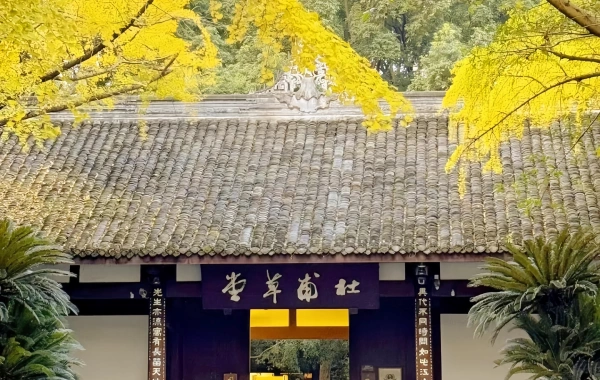
The ancient trees in the park are towering, the vegetation is lush, and the scenery is distinct throughout the four seasons. In spring, red plum blossoms, crabapples, and magnolias compete for beauty; In summer, there are lotus pavilions and lush greenery; In autumn, ginkgo trees are golden and osmanthus flowers are fragrant; Winter wintersweet is cold and has a lingering fragrance. The transformation of flowers during the four seasons is just like Du Fu's keen perception and description of nature in his poetry, allowing tourists to appreciate different poetic and artistic conception in different seasons.
Flower Path and Water Barrier - Scenery in Poetry, Poetry in Scenery
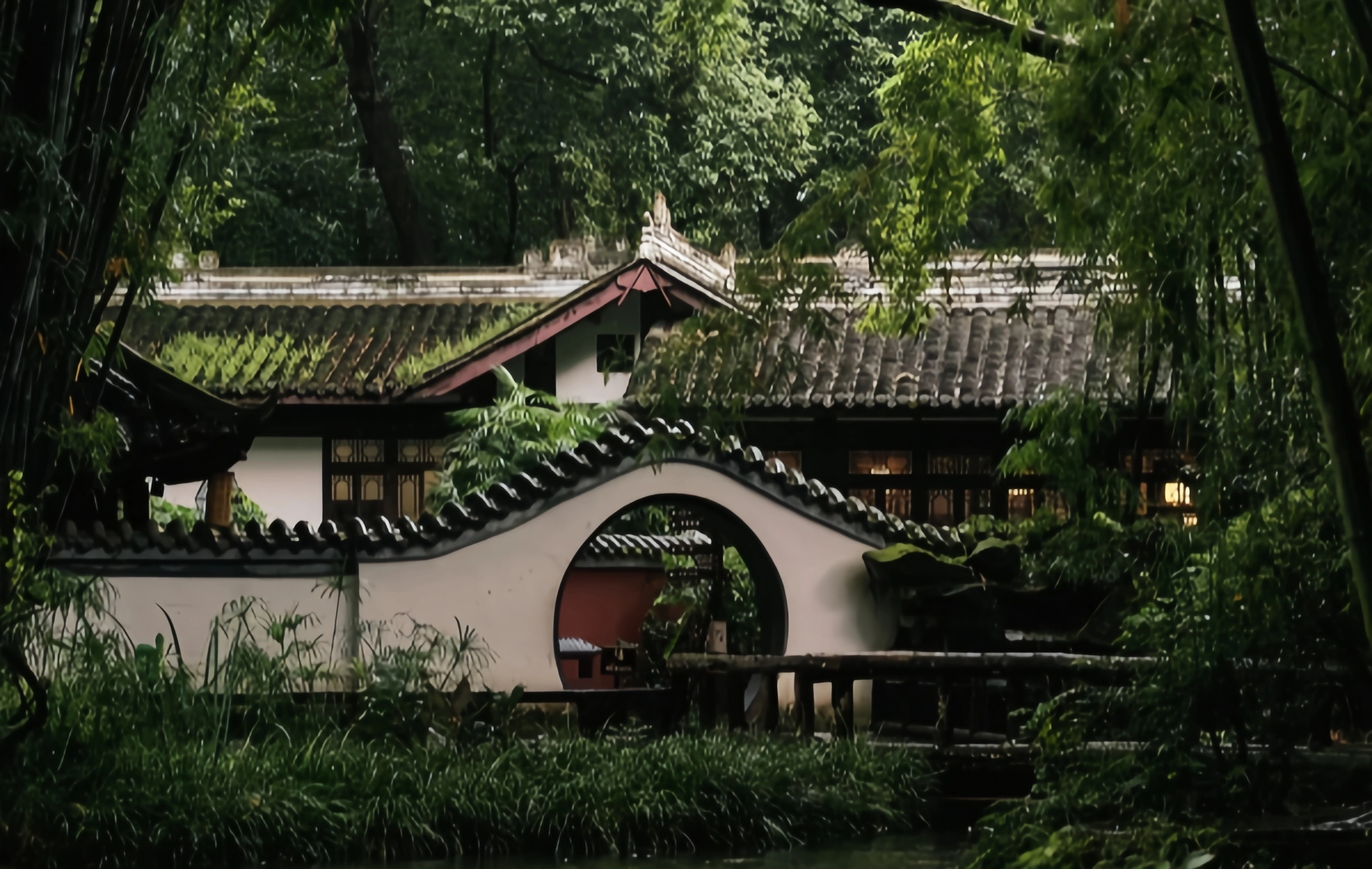
The "Flower Path" in the poem "Flower Path Never Passed by Guests, Pengmen is Now Opened for You" is a small path lined with red walls and swaying bamboo shadows, quiet and deep, making it an excellent location for photography. The "Shuijian" is a water platform reconstructed based on Du Shi's poem, where you can overlook the Jinjiang River (Huanhua Creek) and feel the leisurely wild scenery of "fish emerging in the drizzle, swallows slanting in the breeze".
Photography and Travel Tips:
Iconic check-in: The firewood gate in front of the thatched cottage, the red wall bamboo shadows on the flower path, and the "Shaoling Thatched Cottage" pavilion are the three must see scenes for photography.
Light and Shadow Moment: The dusk before the opening or closing of the garden in the early morning, with fewer tourists and soft lighting, can capture the most peaceful moment of the garden.
Seasonal limitation: The golden ginkgo leaves in late autumn complement the quaint architecture, making it the golden season for photography; When plum blossoms bloom in early spring, they also have a unique charm.
Humanistic perspective: Pay more attention to architectural details, couplets, and inscriptions, as they themselves are highly narrative images.