Nature's Masterpiece—The"Asian Heavenly Lake"with Waters Stretching to the Horizon
A Spectacle of Flood Discharge:The Thunderous Rush of a Thousand Galloping Horses
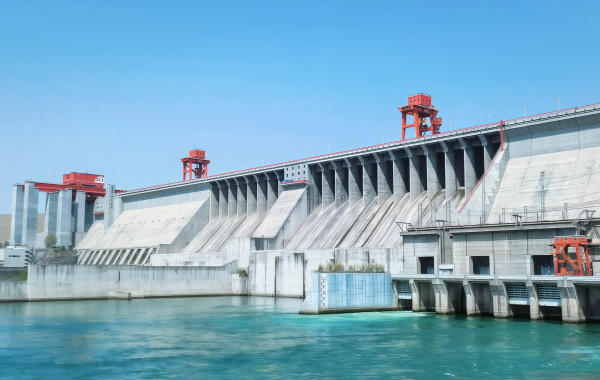
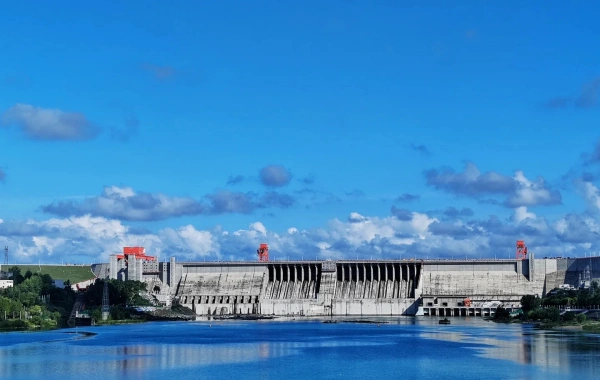
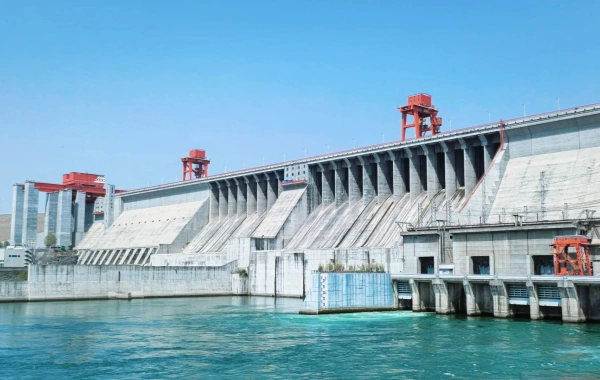
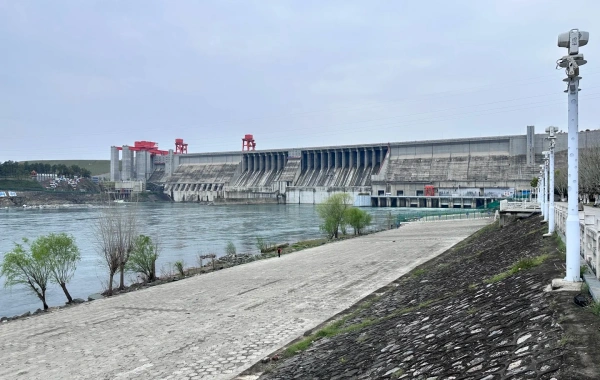
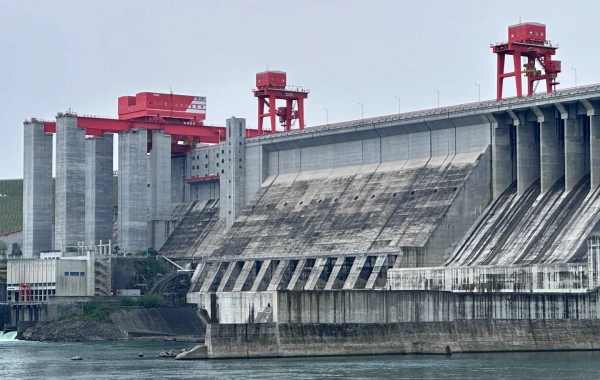
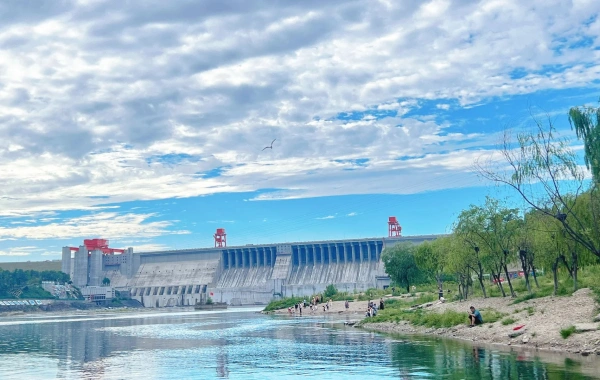
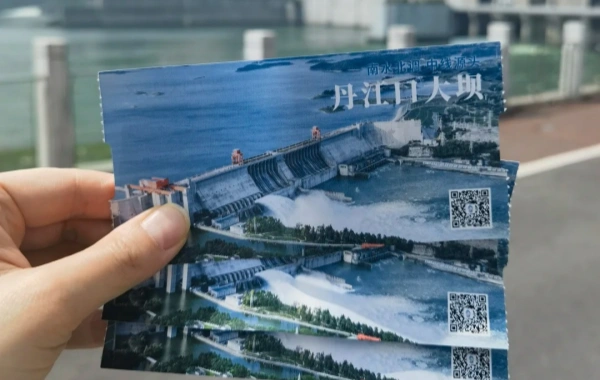
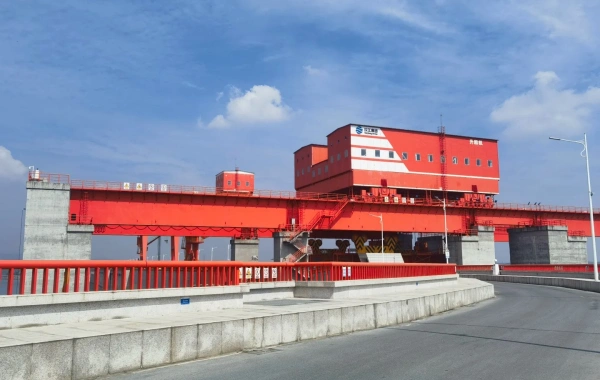
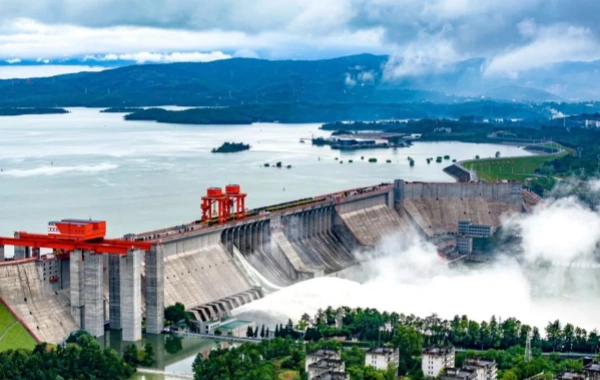
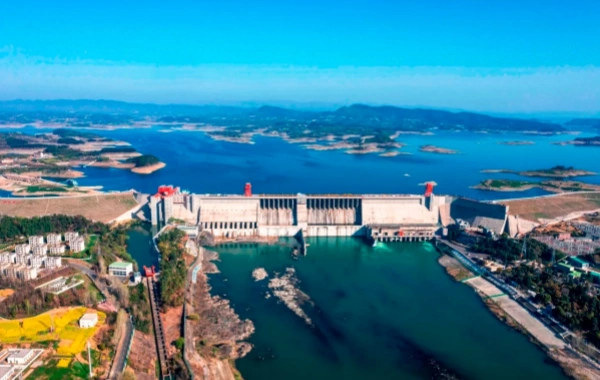
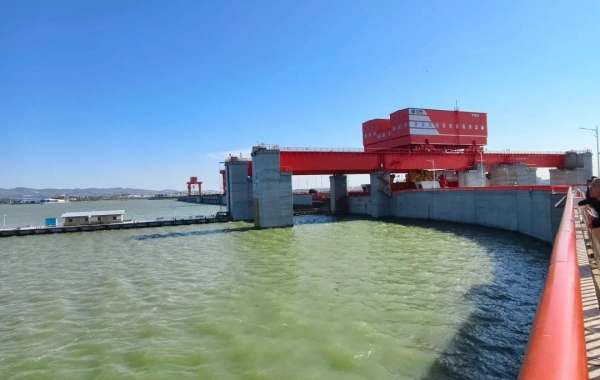
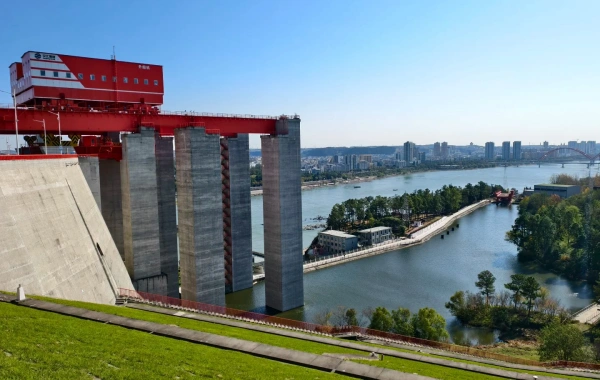
Standing atop the dam,witnessing the opening of the floodgates during the water storage season is arguably the most thrilling natural spectacle the Danjiangkou Dam has to offer.The moment the water level exceeds the warning threshold and the gates open to discharge the floodwaters,the majestic Han River transforms into a colossal white dragon,surging outward with explosive force.The resulting mist,refracted by the sunlight,creates a brilliant rainbow—a celestial barrier seemingly separating the dam from the noisy,bustling world below.Standing within the dam's sightseeing corridor,the sheer visual impact of the nearly 70-meter difference in water levels between the upstream and downstream sides is enough to leave every first-time visitor utterly awestruck.During the dry season,however,the dam presents a completely different—a"silent beauty."Here,the dam merges seamlessly with the azure sky and the deep blue waters of the lake—tranquil as a maiden at rest,yet capable of thundering power when roused.
Canglanghai Tourist Port:A Hundred Miles of Lake Scenery at the"Asian Heavenly Lake"
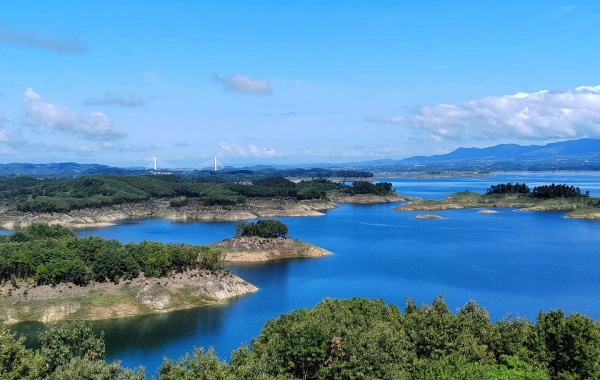
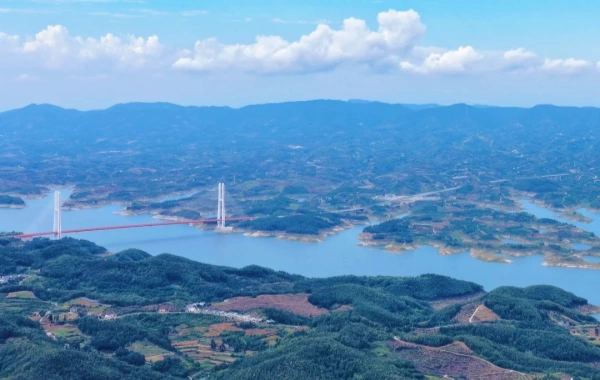
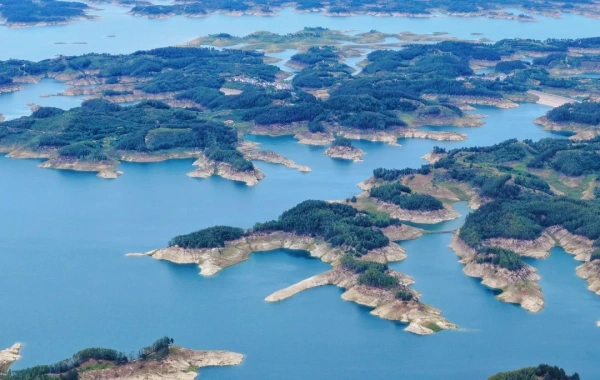
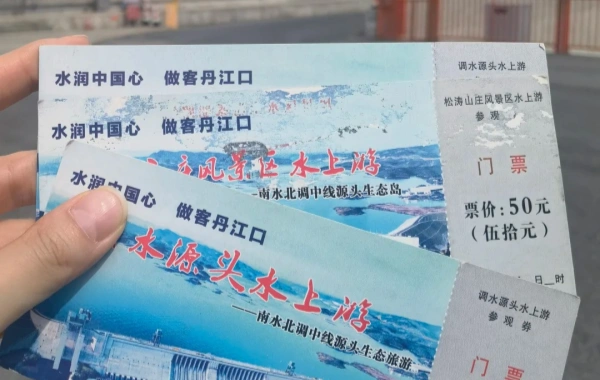
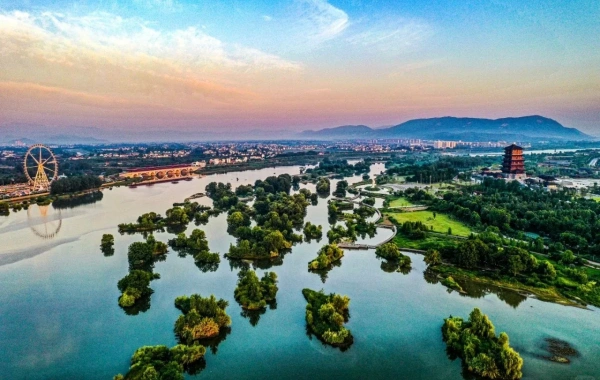
Situated right next to the Danjiangkou Dam,the Canglanghai Tourist Port is an essential stop for anyone wishing to admire the hundred-mile expanse of lake scenery at the"Asian Heavenly Lake."Setting sail from Canglanghai,you will pass through the widest section of the Danjiangkou Reservoir—affectionately dubbed the"Little Pacific."With a surface area comparable to that of a thousand West Lakes,the water and sky merge into one seamless canvas,creating a grandeur that rivals the open ocean.Upon landing at Baixi Island on the opposite shore,lush green hills appear to float upon the water;a scattering of small,verdant islands—rising and falling in elevation—dot the landscape,earning the spot the nickname"Little Thousand Island Lake"among avid travelers.In the early morning,mist drifts across the lake like silken ribbons;in the evening,the setting sun casts a golden glow across the rippling waters—every snapshot taken here is worthy of becoming a desktop wallpaper.
The Reservoir Loop Road:A 429-Kilometer"Most Beautiful Scenic Loop in China"
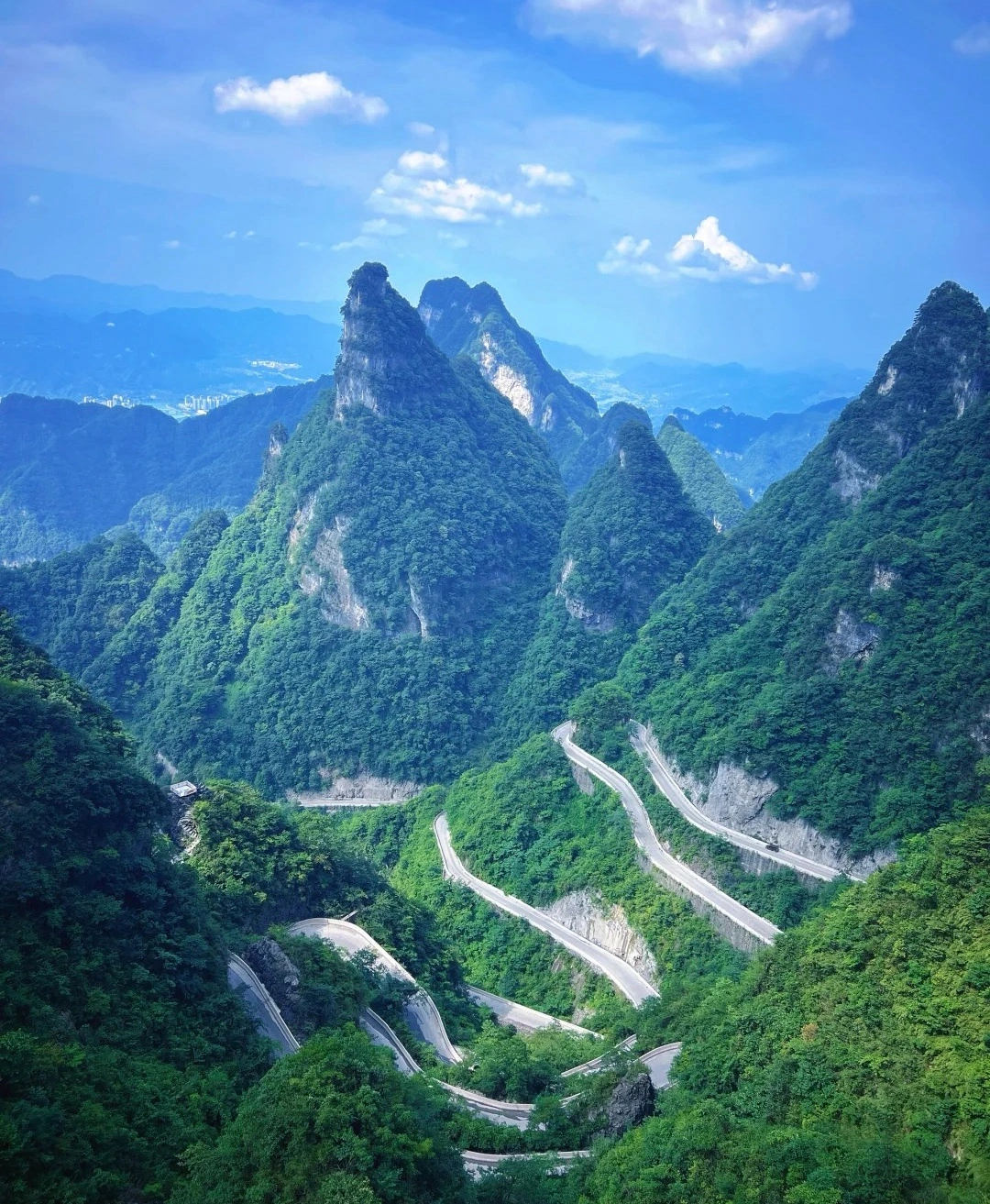
Spanning 429 kilometers,the Reservoir Loop Eco-Road is a hidden gem and a pilgrimage site for driving enthusiasts.The section running from Canglanghai to Taiji Gorge is particularly acclaimed as the"Most Beautiful Scenic Loop in China."As you wind your way between lakeside cliffs and lush,dense forests,every turn of the road offers the chance to stumble upon cascading waterfalls and rushing springs plunging from heights of a hundred meters.Along the route,free observation decks—such as"Azure Waters Touching the Sky"and the"Thousand Islands Gallery"—provide spectacular vantage points for taking in panoramic views of the entire dam complex.
>Photography Tip:Visit between 7:00 and 9:00 AM to capture the ethereal morning mist drifting over the lake,where the dam's imposing grandeur harmonizes with the reservoir's delicate beauty.Alternatively,ascend the dam after 5:00 PM to witness the sunset;as the sun melts into gold,the entire lake transforms into a shimmering golden carpet,allowing you to fully immerse yourself in the romantic twilight of Danjiangkou.
Humanistic Ingenuity:Zhou Enlai’s Calligraphy and a Monument to Water Management—A Testament to Sino-Japanese Technical Collaboration
The humanistic imprint left upon the Danjiangkou Dam Scenic Area points not only to a grand spirit of water management but also to countless subtle,shining examples of human ingenuity and cultural significance.Guo Moruo’s Calligraphy and the China South-to-North Water Diversion Museum
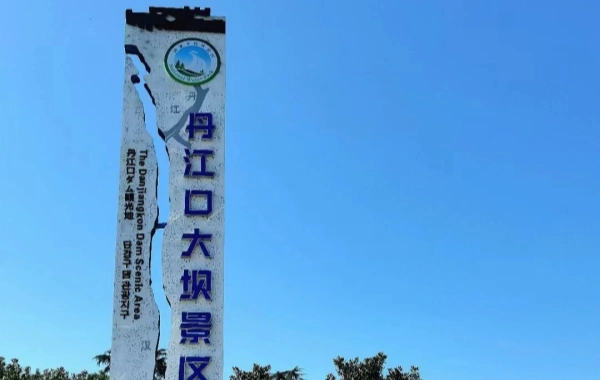
At the entrance to the Dam Scenic Area,the characters for the"Danjiangkou Project Exhibition Hall"were personally inscribed by Guo Moruo.Within these bold,vigorous strokes—reminiscent of"iron paintings and silver hooks"—one can faintly discern the profound concern that this literary titan of his generation held for the cause of water conservancy.The Danjiangkou Dam stands as the first large-scale water conservancy hub in the history of New China to be entirely designed and constructed domestically.In 2025,the China South-to-North Water Diversion Museum—a repository of accumulated history and heritage—is set to officially open following upgrades to regional water resource management and integrated dispatching capabilities.It offers a panoramic retrospective of the South-to-North Water Diversion Middle Route Project,chronicling its arduous journey of over sixty years—from initial surveying and design through to its operational commencement.
South-to-North Water Diversion Middle Route Project Memorial Park:Tour Fifteen Cities in a Single Day
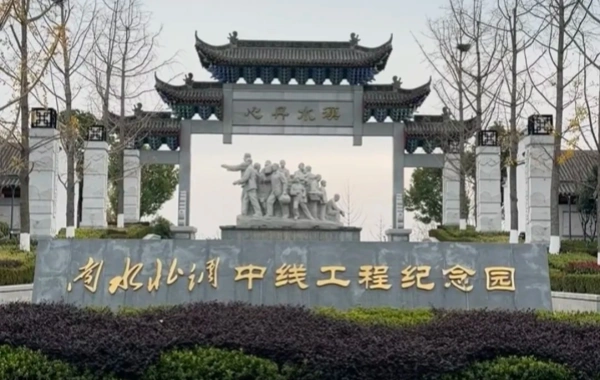
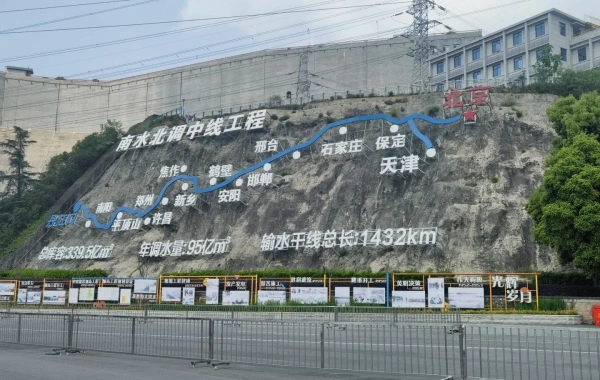
Situated adjacent to the dam,the South-to-North Water Diversion Middle Route Project Memorial Park is the nation's only memorial site dedicated to showcasing water diversion culture and the spirit of water conservancy migrants through immersive,real-world landscapes.The park encapsulates the technical highlights of 11 major water conservancy projects along the route,as well as the cultural landmarks of 15 different cities,earning it the moniker"The Living Room of China's Water Conservancy Migrant Culture."Within the park,visitors can experience the entire scope of the project—from its source all the way to the capital—in a single visit.Furthermore,guests can enjoy evening tours and family-friendly recreational activities,reveling in the wonder of"traversing the entire water diversion route in one park,and touring fifteen cities in a single day."
Nongfu Spring Industrial Tourism Base:The Taste of Naturally Pure Water
The water quality in the Danjiangkou Reservoir consistently maintains a Class II standard or higher throughout the year,a pristine environment that has attracted leading enterprises—such as Nongfu Spring,CR C'estbon,and Yanjing Beer—to establish production facilities in the area.Visitors can step inside the Nongfu Spring production base to tour a fully transparent,sterile bottling line,tracing the journey of a bottle of crisp,natural water from its source to its final form.They also have the opportunity to taste the sweet,potable water drawn directly from the reservoir source itself.The reservoir's high-quality water has also given rise to a local brand,"Wudang Mountain Water,"which leverages the"water economy"to drive regional transformation—serving as a exemplary model of how to successfully balance ecological conservation with economic development.Jingle Palace:An Architectural Gem and the Foremost of Wudang Mountain’s Nine Palaces
Located north of the Danjiangkou Dam,Jingle Palace—commissioned by the Ming Dynasty’s Emperor Yongle—stands as the premier site among Wudang Mountain’s nine palaces.Its majestic Zixiao Hall and a massive stone archway(Pailou)dating back to the Ming Dynasty—weighing a staggering 100 tons—remain remarkably well-preserved.On the first and fifteenth days of every lunar month,Taoist priests perform solemn and majestic Taoist music;visitors can also participate in the"Morning Bell and Evening Drum"ritual(5:30 AM–5:30 PM)and learn Wudang wellness exercises(complimentary instruction offered daily at 9:00 AM).
"South-to-North Water Diversion Source Area"Ecological and Cultural Night Tour
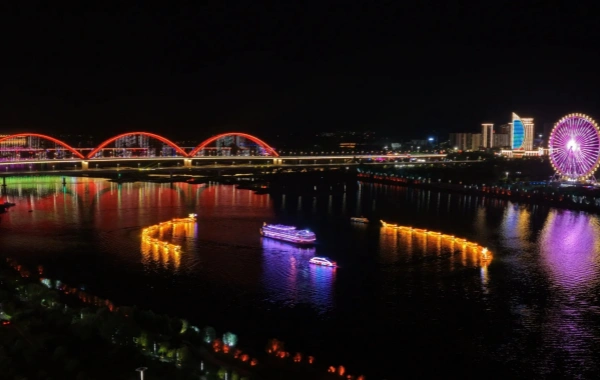
As night falls,Danjiangkou reveals a softer,more tender side.The grand cultural and tourism performance,Water Capital:A Night of Flowers and Moonlight,unfolds at the Junzhou Pier.Through an interplay of light and shadow,the show narrates the history of water transport culture in Danjiangkou—tracing its journey from the ancient city of Junzhou to its modern role in the South-to-North Water Diversion Project.The iconic"Internet-Famous Bridge"of Danjiang,combined with the dazzling nightscape of the reservoir area,creates a gentle and enchanting nocturnal atmosphere at the foot of the dam.
>Photography Tips:The visitor walkway inside the dam offers a prime vantage point to capture the"Rainbow Emerging from the Water"phenomenon;in the late afternoon,wait at the Canglanghai Tourist Port for the final returning boat to frame the lingering glow of the sunset within your lens.